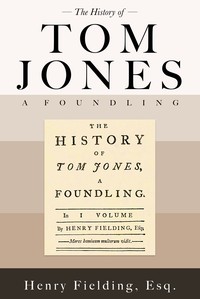
History of Tom Jones, a Foundling
About this book
Tom Jones is the original messy protagonist. Before the anti-hero became standard, Fielding gave us a young man who is warm-hearted, impulsive, and constantly tripping over his own appetites. Worth reading today because it’s a novel that trusts you to handle moral complexity—Tom is neither saint nor villain, just someone trying to figure out how to be decent while being thoroughly human. It’s also very funny, which 800-page novels rarely are.
The challenge is the length and Fielding’s habit of pausing the story for essay-like chapters. This is where FocusReader’s pomodoro sprints become essential—set a 25-minute timer and let the line-ruler keep your place through those digressions. When the vocabulary gets thick (and it will), the free read-aloud with sentence-sync can carry you through a paragraph without losing the thread. Anchor emphasis helps with tracking character names across the sprawling cast.
One honest note: Fielding’s narrator is opinionated in ways that can feel dated or even offensive to modern readers. The book’s treatment of class and gender reflects its time, not ours. If you need your protagonists to be purely sympathetic, this isn’t that novel. But if you want a story that earns its messiness, Tom Jones rewards the patience.
- Middlemarch — Eliot, George
- Great Expectations — Dickens, Charles
- Pride and Prejudice — Austen, Jane
FocusReader opens History of Tom Jones, a Foundling in a reading surface tuned for restless attention:
- Anchor emphasis — a bold front-half on each word steadies your eye.
- Read-aloud — sentence by sentence, with the line highlighted, free.
- Page-flip mode — a real page at a time, not endless scroll.
- Pomodoro sprints — short, finishable reading blocks.