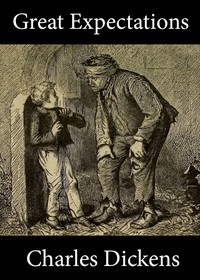
Great Expectations
About this book
If you have ever felt like your life is being pulled in directions you didn't choose, *Great Expectations* is for you. It is the story of Pip, an orphan who suddenly receives a fortune from a secret benefactor and is yanked from his simple village life into the glittering, cruel world of London. The book is not really about becoming rich; it is about the painful, slow process of unlearning shame and figuring out who you actually are when the expectations of others fall away. That feeling of being haunted by a past you can't escape? Dickens wrote the book on it.
This novel is long and its prose is dense with social observation. The best way to read it here is with **Pomodoro sprints** (try 15 minutes) and **line dimming**. The story moves in clear, dramatic beats, so short, timed reading sessions help you follow the plot without getting lost in Victorian sentence structure. The **read-aloud with sentence-sync** is also excellent for Dickens’s dialogue—he writes some of the most memorable voices in English, and hearing them spoken aloud makes the characters feel immediate and real.
A note of caution: the ending has been controversial for over 150 years. Dickens wrote two versions, and the one most people read is a compromise. If you are a reader who needs a clean, triumphant finish, the final pages might feel frustratingly quiet. But if you are looking for a story about how we are all, in some way, still paying for the mistakes of our youth, this is the one.
- Middlemarch — Eliot, George
- Pride and Prejudice — Austen, Jane
- Jane Eyre: An Autobiography — Brontë, Charlotte
FocusReader opens Great Expectations in a reading surface tuned for restless attention:
- Anchor emphasis — a bold front-half on each word steadies your eye.
- Read-aloud — sentence by sentence, with the line highlighted, free.
- Page-flip mode — a real page at a time, not endless scroll.
- Pomodoro sprints — short, finishable reading blocks.