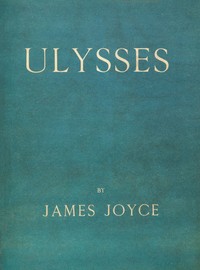
Ulysses
About this book
If your attention wanders, the idea of *Ulysses* probably sounds like a trap. A 700-page novel famous for being impossible. But that’s the wrong frame. This book isn’t a test of endurance — it’s a day in Dublin, told from inside the head of Leopold Bloom. The prose shifts with his mood: scattered, sharp, bored, tender. It doesn’t demand you follow a plot. It asks you to drift through a mind that wanders as much as yours does. That’s the reason to read it today: it’s the most honest novel ever written about how attention actually works.
For this book, use **anchor emphasis** to lock onto a single sentence when the text starts to swim. Joyce’s sentences can run half a page. Anchor emphasis keeps your eye from skipping. Also use **pomodoro sprints** — 25 minutes is plenty for a few pages. Don’t try to read linearly. Let yourself skip, reread, or stop. The book rewards dipping in.
Honest note: you will not understand everything. Joyce packed in puns, allusions, and dead languages. That’s not failure — it’s the point. If you need tidy explanations, this will frustrate you. If you want to feel what it’s like to be alive in a busy city, it’s unmatched.
- Middlemarch — Eliot, George
- Pride and Prejudice — Austen, Jane
- Adventures of Huckleberry Finn — Twain, Mark
FocusReader opens Ulysses in a reading surface tuned for restless attention:
- Anchor emphasis — a bold front-half on each word steadies your eye.
- Read-aloud — sentence by sentence, with the line highlighted, free.
- Page-flip mode — a real page at a time, not endless scroll.
- Pomodoro sprints — short, finishable reading blocks.