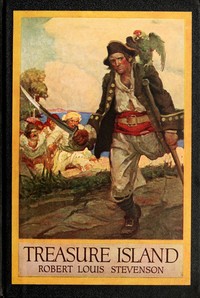
Treasure Island
About this book
Most of us have never buried treasure, fought pirates, or been marooned on a desert island. But we all know the feeling of being trapped in a situation that’s more dangerous than we signed up for. Jim Hawkins, a boy working in his parents’ inn, inherits a pirate’s map and finds himself aboard a ship full of men who want him dead. The book invented the modern pirate—one-legged men with parrots, black spots, and bottles of rum—but its real draw is the cold, quiet terror of realizing the adults around you are not to be trusted. It’s an adventure story written by a man who was often sick and bedridden, which is why it moves so fast: Stevenson knew every word had to earn its keep.
Long paragraphs of 19th-century nautical description can lose a wandering eye. Use FocusReader’s line-ruler to keep your place through the dense passages of shipboard negotiation, and the Pomodoro sprint (15-minute bursts) to push through the slower middle section before the island action starts. The free read-aloud with sentence-sync is excellent for Stevenson’s dialogue—Long John Silver’s wheedling voice comes alive when you hear it.
Honestly: the racism and sexism are period-typical and unexamined. There are no meaningful female characters. If that will pull you out of the story, you’ve been warned.
- Moby Dick; Or, The Whale — Melville, Herman
- Peter Pan : $b [Peter and Wendy] — Barrie, J. M. (James Matthew)
- Pride and Prejudice — Austen, Jane
FocusReader opens Treasure Island in a reading surface tuned for restless attention:
- Anchor emphasis — a bold front-half on each word steadies your eye.
- Read-aloud — sentence by sentence, with the line highlighted, free.
- Page-flip mode — a real page at a time, not endless scroll.
- Pomodoro sprints — short, finishable reading blocks.