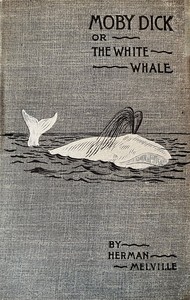
Moby Dick; Or, The Whale
About this book
If you’ve ever started a “great book” only to stall out somewhere around page fifty, *Moby-Dick* is worth trying precisely because it’s built on obsession—and obsession, when you’re restless, can be a kind of anchor. Ishmael’s voice is weird, digressive, and surprisingly funny. He’ll lecture you about whale taxonomy for ten pages, then drop a line of pure dread. The book isn’t really about the whale; it’s about what it feels like to be locked onto something you can’t let go of. That energy matches how many of us actually read: in bursts, circling back, getting lost.
FocusReader’s **anchor emphasis** helps here. Melville’s sentences are long and packed. Anchoring a key phrase—"Call me Ishmael" or the white whale itself—gives you a thread to hold while the prose wanders. **Pomodoro sprints** also work: the book’s chapters are short (many under five pages), so you can finish one in a focused 10-minute block without feeling overwhelmed.
Honest note: The cetology chapters will test you. Some readers skip them entirely. That’s fine. The book survives skipping.
- Treasure Island — Stevenson, Robert Louis
- Around the World in Eighty Days — Verne, Jules
- Crime and Punishment — Dostoyevsky, Fyodor
FocusReader opens Moby Dick; Or, The Whale in a reading surface tuned for restless attention:
- Anchor emphasis — a bold front-half on each word steadies your eye.
- Read-aloud — sentence by sentence, with the line highlighted, free.
- Page-flip mode — a real page at a time, not endless scroll.
- Pomodoro sprints — short, finishable reading blocks.