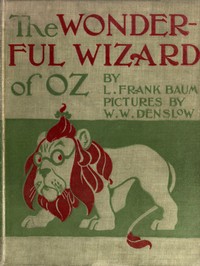
The Wonderful Wizard of Oz
About this book
You know the story—the cyclone, the yellow brick road, the Emerald City. But reading Baum’s original 1900 novel is a different experience from the movie. It’s stranger, funnier, and more surprisingly philosophical. The Cowardly Lion isn’t just scared; he’s a sharp critique of performative bravery. The Tin Woodman isn’t just sentimental; his rusted joints are a meditation on what it means to feel. For a restless reader, this is a book that rewards short, curious bursts of attention—each chapter is a self-contained episode, a little puzzle about what we actually need to be whole.
FocusReader’s pomodoro sprints are ideal here. Read one chapter in a 15-minute sprint, then pause. The prose is brisk but occasionally dense with description; the line-ruler keeps your eye from wandering during those long prairie passages. If you find the old-fashioned language tricky, the free read-aloud with sentence-sync will carry you through, letting Baum’s dry humor land without you having to parse every sentence.
One honest note: this is a children’s book, and its moral lessons can feel blunt to an adult reader expecting nuance. But that directness is also its charm—it trusts you to find your own meaning in a story about a girl who was never lost, just looking for the way home.
- Thuvia, maid of Mars — Burroughs, Edgar Rice
- Peter Pan : $b [Peter and Wendy] — Barrie, J. M. (James Matthew)
- Moby Dick; Or, The Whale — Melville, Herman
FocusReader opens The Wonderful Wizard of Oz in a reading surface tuned for restless attention:
- Anchor emphasis — a bold front-half on each word steadies your eye.
- Read-aloud — sentence by sentence, with the line highlighted, free.
- Page-flip mode — a real page at a time, not endless scroll.
- Pomodoro sprints — short, finishable reading blocks.