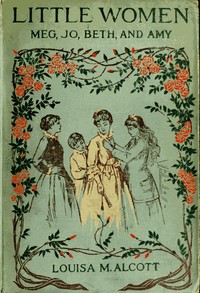
Little Women; Or, Meg, Jo, Beth, and Amy
About this book
If your attention tends to scatter when reading about domestic life, *Little Women* might seem like a minefield of cozy distractions. But this book’s real engine is not sentiment—it’s the raw, specific ache of growing up poor, talented, and female in a world that barely notices. Jo March’s fury at her own temper, her hunger for words, her grief when things don’t go her way—these are not quaint. They are startlingly modern. Read it today because Alcott wrote the kind of ambition that doesn’t know how to sit still, and that feels like a lifeline for anyone whose mind refuses to stay in one room.
FocusReader’s **anchor emphasis** helps you hold onto Jo’s voice through the long, crowded scenes of family chatter. When the prose thickens with period detail, **pomodoro sprints** let you read in short, honest bursts—fifteen minutes with Meg’s vanity, then a break. The **read-aloud** with sentence-sync is especially good for the slower, more sentimental passages (Beth’s illness, Amy’s lessons in humility) where your attention might slip.
Fair warning: some readers find the moralizing chapters—especially the ones where Marmee lectures—heavy-handed. If you hate being told how to feel, skip those. The bones of the book are tougher than its reputation.
- Middlemarch — Eliot, George
- Anne of Green Gables — Montgomery, L. M. (Lucy Maud)
- Pride and Prejudice — Austen, Jane
FocusReader opens Little Women; Or, Meg, Jo, Beth, and Amy in a reading surface tuned for restless attention:
- Anchor emphasis — a bold front-half on each word steadies your eye.
- Read-aloud — sentence by sentence, with the line highlighted, free.
- Page-flip mode — a real page at a time, not endless scroll.
- Pomodoro sprints — short, finishable reading blocks.