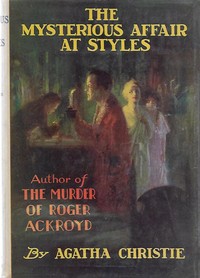
The Mysterious Affair at Styles
About this book
This is where Hercule Poirot first appears, and that alone makes it worth your time. Christie didn't invent the locked-room mystery, but she perfected the puzzle-box structure that rewards a wandering mind: every stray detail, every muttered aside, every teacup placed slightly off-center is a clue. You don't need to follow a long, meandering plot. You need to watch, and suspect, and be wrong. It's a short, tight novel that asks you to pay attention in small, satisfying bursts.
The prose is dense with period description and legal testimony. That’s where FocusReader’s line-ruler (dimming everything except the line you’re reading) becomes essential. Use it to keep your eyes from skimming past the crucial detail about the coffee tray or the locked door. Pair it with the Pomodoro sprint: three twenty-minute sessions will get you through the entire case without fatigue. The read-aloud feature is less useful here—the pleasure is in spotting the clues yourself, not hearing them narrated.
One honest note: the solution depends on a piece of chemistry that feels dated. If you know too much about stain removal, the trick might annoy you. But that’s part of the charm—Christie was writing for her moment, not for forensic experts.
- The murder of Roger Ackroyd — Christie, Agatha
- A Study in Scarlet — Doyle, Arthur Conan
- The Sign of the Four — Doyle, Arthur Conan
FocusReader opens The Mysterious Affair at Styles in a reading surface tuned for restless attention:
- Anchor emphasis — a bold front-half on each word steadies your eye.
- Read-aloud — sentence by sentence, with the line highlighted, free.
- Page-flip mode — a real page at a time, not endless scroll.
- Pomodoro sprints — short, finishable reading blocks.