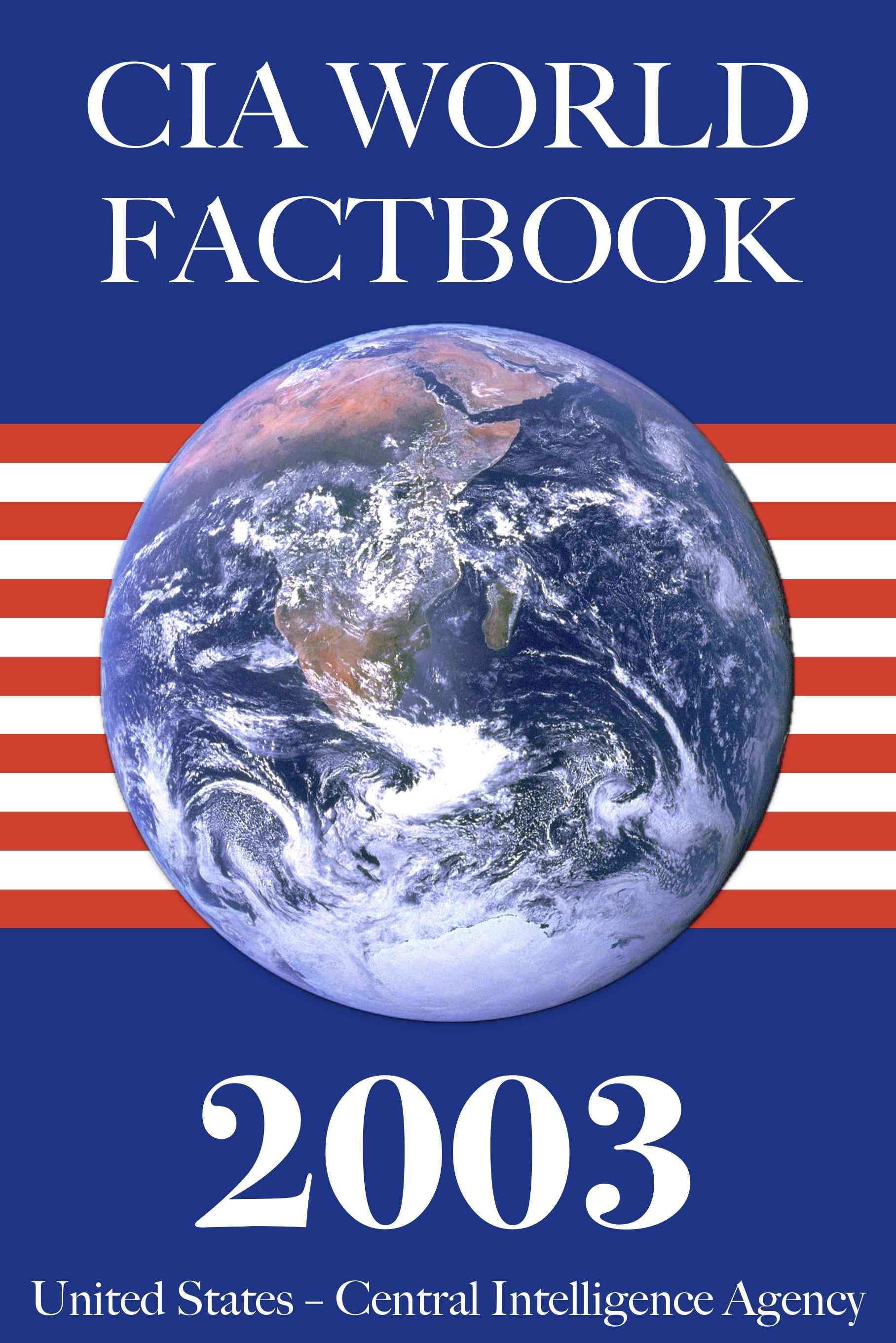
The 2003 CIA World Factbook
About this book
The CIA World Factbook isn't a novel with a plot, but it's the closest thing to a global operating manual you'll find. For a restless mind, this is pure fuel: country-by-country breakdowns of geography, population, government, economy, and military. It’s a snapshot of the world in 2003—pre-Iraq War, pre-smartphone ubiquity—making it a fascinating time capsule. You can jump from Afghanistan’s terrain to Zambia’s exports in seconds. No narrative arc, just raw data that sparks curiosity.
FocusReader’s page-flip mode is ideal here. The Factbook is dense, structured, and repetitive—each country entry follows the same template. Page-flip lets you skim quickly, landing on the numbers or facts that catch your eye without losing your place. For the small-font tables and population figures, line dimming helps you track rows without eye fatigue. Use a 10-minute pomodoro sprint to read three countries, then stop. It’s enough to satisfy the itch without drowning in detail.
Honest note: This isn’t a narrative book. If you need characters or a story, you’ll bounce off fast. The data is also 20 years old—some geopolitical realities have shifted dramatically. But as a calm, low-stakes exploration of how the world was organized, it’s oddly grounding.
- The 2006 CIA World Factbook — United States. Central Intelligence Agency
- Chambers's Twentieth Century Dictionary (part 1 of 4: A-D) — Unknown
- Modern English biography, volume 2 (of 4), I-Q — Boase, Frederic
FocusReader opens The 2003 CIA World Factbook in a reading surface tuned for restless attention:
- Anchor emphasis — a bold front-half on each word steadies your eye.
- Read-aloud — sentence by sentence, with the line highlighted, free.
- Page-flip mode — a real page at a time, not endless scroll.
- Pomodoro sprints — short, finishable reading blocks.